



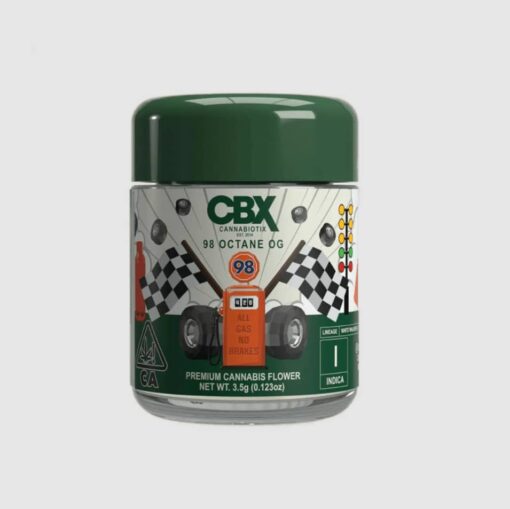
Cannabiotix Silk
€45.00
Buy Cannabiotix Silk Online France | Authoritative Guide to Premium Hybrid Strains
TL;DR:Buy Cannabiotix Silk Online France. This guide provides objective, data-driven analysis on sourcing legal CBD products in France, examining the strict regulatory framework and establishing quality benchmarks using the premium Cannabiotix Silk strain. We deliver authoritative guidance for informed decision-making in this complex regulatory environment.
What Is the Legal Status of Cannabis Products in France?
France maintains a strict legal framework for cannabis products. CBD products are legal when they contain less than 0.3% THC and are derived from registered hemp varieties . French law classifies cannabis and cannabis resin as narcotic substances, strictly prohibiting production, manufacturing, transportation, importation, exportation, possession, sale, purchase, or use of cannabis and THC products . Those seeking to Buy Cannabiotix Silk Online France are legally limited to compliant CBD products with ≤0.3% THC.
What CBD Products Are Legal in France?
Industrial hemp and hemp extracts are governed by the French ministerial order of 30 December 2021, authorising cultivation, importation, exportation, and industrial and commercial use of hemp plants containing up to 0.3% THC . Hemp extracts must be obtained by using the entire hemp plant, and finished products must meet the 0.3% THC limit . Following the French Council of State ruling of 29 December 2022, the retail sale to consumers of raw flowers and leaves—including prepacked flowers—is now allowed in France . French CBD stores offer flowers, resins, oils, capsules, gummies, wax, and e-liquids with THC below 0.3%.
Can THC Products Be Sold Legally?
No. THC remains strictly prohibited for recreational use under French law . Medical cannabis is only allowed if the product is a medicine holding a marketing authorisation (e.g., Sativex, Epidyolex, Marinol) or is accessible through the pilot programme . The pilot programme ended on 25 March 2024, and access is currently limited to patients who were already enrolled . The legalisation of medical cannabis is pending the publication of relevant regulatory decrees .
Is THCA Legal in France?
Yes, THCA can be legal in France under the same regulatory framework as CBD, provided it meets strict requirements: it must be derived from EU-registered hemp varieties and contain less than 0.3% THC . This is a crucial distinction from some other European countries where THCA is explicitly banned. Certain cannabinoids were added to the narcotics list effective June 3, 2024, including HHC, HHCP, THCP, and others. THCA is NOT on that list . Some retailers offer “THCX” (THCA) products that remain legal under the 0.3% THC threshold . However, consumers should verify lab reports and ensure THC compliance.
Quality Benchmark: What Defines Cannabiotix Silk as a Premium Strain?
Cannabiotix Silk is a premium hybrid strain from the award-winning Cannabiotix brand. The Silk is a hybrid strain created by crossing Cereal Milk with Kush Mountains pheno #336 . Cannabiotix is a boutique California cannabis company founded by expert cultivators with over two decades of experience, dedicated to developing elite genetics and using sustainable farming techniques . For those seeking Buy Cannabiotix Silk Online France, the original product represents a quality benchmark, while legal French alternatives are limited to CBD and compliant THCA products with <0.3% THC.
| Feature | Cannabiotix Silk (Original) | CBD/THCA-Compliant Alternative |
|---|---|---|
| THC/THCA Content | 29-33% | <0.3% THC |
| Genetics | Cereal Milk x Kush Mountains #336 | Similar phenotype available |
| Classification | Indica-dominant Hybrid | Similar phenotype |
| Flavor Profile | Earth, lemon, chocolate hashish, forest kush | Lab-tested terpene profile |
| Dominant Terpenes | Limonene, Myrcene, Linalool | Same terpenes available |
| Effects | Soothing, relaxing, euphoric | Non-psychoactive, relaxing |
What Are the Effects, Flavor, and Benefits of Cannabiotix Silk?
Cannabiotix Silk delivers a “classic OG vibe with a twist,” combining sweet and creamy earthy notes with a gassy finish . The flavor profile features notes of chocolate hashish and deep forest kush , resulting in a “silky smooth smoke” .
Effects
The strain provides soothing, relaxing, and euphoric effects . It hits “super hard and fast” with an immediate head change that’s “euphoric and spacey” . The high lasts approximately 3 hours . Users report feelings of euphoria, creativity, pain relief, and sedation . The strain is an indica-dominant hybrid (approximately 80% Indica) ideal for unwinding the body and mind .
Medical Applications
-
Pain relief (on point)
-
Sleep aid (excellent for night-time usage)
-
Anxiety relief
-
Stress management
How Can Consumers Verify Quality and Legitimacy?
-
Check THC Compliance: Verify products contain less than 0.3% THC. This is the strict legal threshold for CBD and THCA products in France .
-
Request a Certificate of Analysis: Legitimate retailers provide independent laboratory analysis certifying THC levels below 0.3%, cannabinoid content, and absence of contaminants. Face value is not enough—test results should be verified .
-
Source from Licensed Retailers: In France, CBD products are available through health food stores, chemists, and dedicated CBD shops. Ensure the retailer is established and transparent about sourcing .
-
Understand the Regulatory Status: THCA is legal in France provided it is derived from EU-registered hemp and contains less than 0.3% THC . This allows compliant retailers to offer products with the THCA cannabinoid profile.
Frequently Asked Questions
Q: Is it legal to Buy Cannabiotix Silk Online France?
A: Original Cannabiotix Silk with THC is not legally available in France. CBD and compliant THCA variants with <0.3% THC are legally available through licensed retailers.
Q: What is the Cannabiotix Silk strain?
A: Silk is a hybrid strain created by crossing Cereal Milk with Kush Mountains #336, with 29-33% THC and a flavor profile of earth, lemon, chocolate, and forest kush .
Q: What are the effects of Cannabiotix Silk?
A: Users report soothing, relaxing, and euphoric effects with pain relief, sedation, and approximately 3 hours of duration .
Q: What is THCA and is it legal in France?
A: THCA is legal in France when derived from EU-registered hemp with <0.3% THC. It is not classified as a narcotic like HHC or THCP .
Q: What CBD products are legal in France?
A: CBD products with less than 0.3% THC derived from registered hemp varieties, including flowers, resins, oils, and vape liquids, are legal .
Conclusion
Navigating the French cannabis market requires understanding strict legal frameworks and product quality standards. Whether you seek to Buy Cannabiotix Silk Online France through compliant CBD and THCA channels, explore Cannabiotix Silk as a quality benchmark, or research Online Cannabis Shop Bordeaux, Montpellier, Rennes, diligence remains essential. French law permits CBD and compliant THCA products with less than 0.3% THC . We provide authoritative, objective guidance for informed decision-making in this complex regulatory landscape.
Compliance, Safety, and Legal Footer
Age Verification & Legal Disclaimer: This information is for adults of legal age in their jurisdiction. CBD products are prohibited to minors. In France, products must contain less than 0.3% THC to remain legal . You must verify your local laws before any purchase.
Regional Compliance & Safety: This content is educational and informational only. In France, CBD products with less than 0.3% THC are legal, but THC remains a controlled substance . THCA may be legal when derived from EU-registered hemp with <0.3% THC . Consume responsibly; never drive or operate machinery under the influence. Keep all products out of reach of children and pets.
Related products
Buy marijuana strains Europe

Buy marijuana strains Europe

Buy marijuana strains Europe

Buy marijuana strains Europe
Buy marijuana strains Europe

Buy marijuana strains Europe

Buy marijuana strains Europe

Buy marijuana strains Europe