


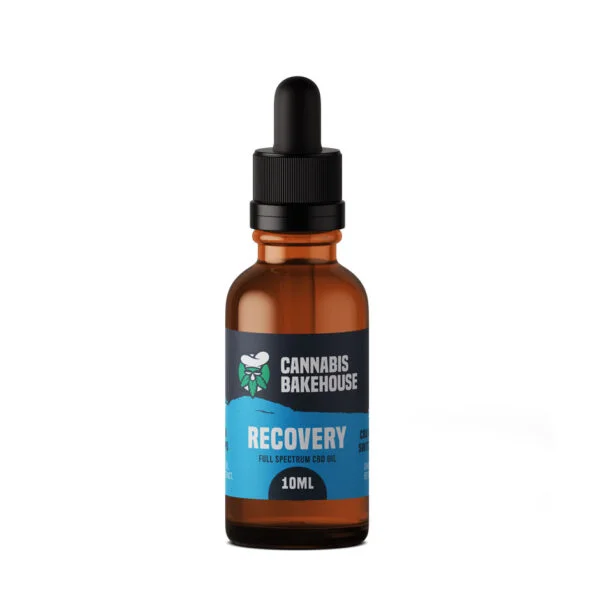
Buy Bakehouse CBD Recovery Oil Online
Original price was: €30.00.€27.95Current price is: €27.95.
Buy Bakehouse CBD Recovery Oil Online is commonly discuss within the broader category of CBD-infuse botanical oil products.
Buy Bakehouse CBD Recovery Oil Online
Buy Bakehouse CBD Recovery Oil Online is commonly discuss within the broader category of CBD-infuse botanical oil products. As consumer interest in cannabidiol (CBD) continues to grow, many individuals are seeking reliable, factual information about what CBD oils are, how they are prepared, how to interpret product naming, and how to evaluate quality responsibly—without relying on exaggerate or unsupported claims.
This page provides informational content only, designed to educate readers about CBD oil formats, the Bakehouse brand approach, ingredient transparency, labeling awareness, storage considerations, sustainability practices, and regulatory context. It does not promote use, provide instructions, or suggest outcomes of any kind.
Understanding CBD as a Botanical Compound
CBD, or cannabidiol, is a naturally occurring compound found in hemp plants. Unlike many assumptions surrounding cannabinoids, CBD is best understood—within an informational context—as a plant-derive compound that can be incorporate into various product formats depending on classification and regulation.
Key informational characteristics of CBD include:
-
Hemp-derived origin
-
Non-intoxicating nature
-
Compatibility with multiple delivery formats
-
Emphasis on sourcing and processing quality
Understanding CBD from a botanical perspective helps establish realistic and inform expectations.
What Is a CBD Oil Format?
A CBD oil is an oil-base product in which cannabidiol is blended or infused into a carrier oil. The purpose of the oil is to provide:
-
A stable medium for the compound
-
Consistent texture and appearance
-
Improve shelf stability
CBD oil formats are widely recognize for their simplicity, versatility, and clarity of presentation.
Overview of the Bakehouse Brand
Bakehouse is a brand often associate with creative botanical product concepts and contemporary presentation. The Bakehouse name reflects a modern, approachable approach to plant-base products rather than a literal description of production methods.
Common brand-relate characteristics include:
-
Focus on consistent formulation
-
Clear and recognizable packaging
-
Emphasis on ingredient transparency
-
Alignment with modern CBD markets
Understanding brand identity helps clarify how products are position within the broader CBD category.
Interpreting the Name “CBD Recovery Oil”
The phrase “CBD Recovery Oil” should be understood as branding language, not as a statement of effect, outcome, or function. In an informational context, such naming serves as:
-
A product identifier
-
A descriptive label within a product range
-
A marketing distinction
Product names should always be interpreted symbolically and evaluate alongside factual product information rather than assume meaning.
How CBD Oils Are Prepared
The preparation of CBD oil products generally follows a structured process designed to ensure consistency, clarity, and stability.
1. Hemp Sourcing
The process begins with sourcing hemp plants that meet defined standards for quality and compliance. Sourcing practices play a major role in overall product consistency.
2. CBD Extraction
CBD is extracted from hemp using controlled methods intended to preserve compound integrity. Extraction processes vary but emphasize cleanliness and repeatability.
3. Blending With Carrier Oils
The extracted CBD is blended with a carrier oil, such as a plant-based oil, to create a smooth and uniform final product.
4. Packaging
The finished oil is packaged in sealed containers designed to protect it from light, air, and contamination.
Each step focuses on transparency, stability, and uniformity.
Ingredient Transparency and Label Awareness
Transparency is a core factor when evaluating CBD oil products. Informational awareness includes:
-
Clear identification of CBD source
-
Disclosure of carrier oils and base ingredients
-
Consistent labeling across batches
Consumers benefit from carefully reviewing product descriptions and understanding exactly what components are included.
Understanding CBD Concentration Labels
CBD oils often feature concentration or strength information on their labels. These labels should be understood as:
-
Informational references
-
Indicators of formulation consistency
-
Comparative values within a product line
Numerical or descriptive strength labels are not instructions and should not be interpreted as guarantees of suitability or outcome.
Storage and Shelf Stability
Proper storage plays a key role in maintaining the quality of CBD oils. General storage recommendations include:
-
Keeping the oil in a cool, dry place
-
Avoiding prolonged exposure to sunlight or heat
Correct storage practices help preserve consistency and appearance over time.
Responsible Awareness for CBD Products
CBD products require responsible awareness, especially due to varying regulations and widespread misconceptions. Important considerations include:
-
Understanding product classification
-
Recognizing that branding does not imply function
-
Keeping products clearly labeled and securely stored
Responsible awareness supports informed decision-making and appropriate handling.
Evaluating Quality in CBD Oils
When assessing CBD oil products, consumers often look for:
-
Clean, uniform oil appearance
-
Consistent color and texture
-
Transparent sourcing and processing information
-
Clear batch and labeling details
These indicators help distinguish carefully prepared CBD oils from poorly handled alternatives.
Legal and Regulatory Awareness
Regulations governing CBD products vary significantly by country and region. Depending on jurisdiction, rules may address:
-
Hemp sourcing requirements
-
Permitted CBD concentrations
-
Labeling and distribution standards
Consumers are responsible for understanding and complying with local laws before purchasing or handling CBD products. Informational content does not imply legality or availability in all regions.
Sustainability and Ethical Sourcing
Sustainability is an increasingly important consideration in the CBD industry. Ethical sourcing practices may emphasize:
-
Responsible hemp cultivation
-
Environmentally conscious extraction methods
-
Transparent and traceable supply chains
Sustainable practices support environmental responsibility and long-term industry credibility.
The Role of Education in the CBD Market
Education plays a vital role in helping consumers:
-
Understand what CBD oils are
-
Interpret product names responsibly
-
Evaluate quality without relying on claims
Educational content reduces confusion and supports informed engagement in a rapidly evolving market.
Transparency as a Trust Signal
Transparency is one of the strongest trust signals in the CBD space. Clear explanations of:
-
Product format
-
Ingredient sourcing
-
Storage and handling considerations
help establish credibility and long-term consumer confidence.
Setting Realistic Expectations
It is important to approach CBD products with realistic expectations. These products are not substitutes for professional advice and should never be associate with unsupport outcomes.
Responsible expectations encourage thoughtful evaluation and informed decisions.
Conclusion
Bakehouse CBD Recovery Oil represents a CBD oil product category defined by oil-based formulation, modern branding, and an emphasis on ingredient transparency. By understanding how CBD oils are prepare, how to interpret product naming responsibly, and how to store oils correctly, consumers can engage with this category in an inform and thoughtful way.
For educational resources, product information, and updates related to CBD oil formats and classifications, visit https://eucannabishub.com/.
For general, non-sales inquiries, contact Info@eucannabishub.com.
Related products

Cannabis Tinctures online Europe
Cannabis Tinctures online Europe
Cannabis Tinctures online Europe
Cannabis Tinctures online Europe

Cannabis Tinctures online Europe
Cannabis Tinctures online Europe

Cannabis Tinctures online Europe
Cannabis Tinctures online Europe