

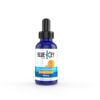


25Kmg Orange CBD Oil
Original price was: €525.00.€515.99Current price is: €515.99.
Buy 25Kmg Orange CBD Oil Online is part of a category of high-content, hemp-derived CBD oils identified by elevated total cannabinoid labeling
Buy 25Kmg Orange CBD Oil Online
Buy 25Kmg Orange CBD Oil Online is part of a category of high-content, hemp-derived CBD oils identified by elevated total cannabinoid labeling and a citrus-inspired flavor profile. As interest in CBD products continues to grow, many consumers search for clear, factual explanations that help them understand high-milligram CBD oils, flavored formulations, labeling terminology, and regulatory considerations—without exaggerated claims or implied outcomes.
This page is designed as an educational resource. It explains what a “25Kmg” CBD oil label represents, how high-strength CBD oils are typically formulated, the role of orange flavoring, ingredient transparency, storage awareness, sustainability considerations, and legal context. It does not promote usage, provide instructions, or suggest results.
Understanding CBD as a Hemp-Derived Botanical Compound
CBD (cannabidiol) is a naturally occurring compound found in legally defined hemp varieties of the Cannabis sativa plant. In informational contexts, CBD is best understood as:
-
A non-intoxicating botanical compound
-
Extracted from hemp using regulated processes
-
Commonly formulated into oil-based products
-
Influenced by cultivation, extraction, and formulation quality
Viewing CBD as a plant-derived ingredient supports realistic expectations and responsible evaluation.
What Is 25Kmg Orange CBD Oil?
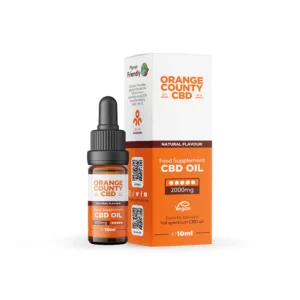
25Kmg Orange CBD Oil is an oil-based formulation labeled to indicate a total of 25,000 milligrams of CBD within the container. The term “orange” refers to the citrus flavor profile added during formulation, while “high CBD” or “25Kmg” describes the overall content level.
Key informational characteristics include:
-
Hemp-derived CBD content
-
Clearly stated high milligram labeling
-
Oil-based liquid format
-
Citrus-inspired flavor identification
These features help position the product within the high-strength CBD oil category without implying suitability or outcomes.
What Does “25Kmg” Mean on a CBD Oil Label?
The “25Kmg” (25,000mg) figure represents the total amount of CBD present in the entire bottle. This number is a quantitative reference, not a recommendation, instruction, or guidance.
Important labeling points:
-
Milligram values describe total content, not serving size
-
Higher numbers indicate greater overall CBD quantity, not effectiveness
-
Labels allow comparison across products in the same category
Understanding this distinction is especially important when reviewing high-content CBD oils.
Why Some CBD Oils Are Labeled as High-Strength
High-milligram CBD oils exist to provide clear content differentiation within a product range. From an informational standpoint, higher-strength labels:
-
Indicate greater total CBD concentration
-
Support transparency and comparison
-
Reflect formulation and blending ratios
They do not imply performance, preference, or appropriateness.
The Role of Orange Flavor in CBD Oils
Flavoring has become common in CBD oils to enhance sensory characteristics and provide product variety. Orange flavor profiles are often use because they:
-
Offer a recognizable citrus note
-
Complement plant-base carrier oils
-
Help distinguish products within a CBD oil range
Flavor descriptors are use for identification only and do not alter the core classification of the CBD oil.
How Orange Flavoring Is Typically Added
In flavor CBD oils, orange flavoring is usually introduced during the blending stage. Flavor components may be derived from:
-
Natural citrus extracts
-
Food-grade botanical flavor compounds
-
Aromatic profiles design for consistency
Flavoring is added in control amounts to maintain uniformity and label accuracy.
Carrier Oils and Their Importance
Carrier oils form the foundation of most CBD oil formulations. Their primary roles include:
-
Creating a stable liquid format
-
Supporting even distribution of CBD
-
Helping maintain shelf consistency
Carrier oils are generally plant-base and select for neutrality, stability, and compatibility with both CBD and flavoring.
How High-Content CBD Oils Are Formulated
While production methods vary, high-strength CBD oils like 25Kmg formulations typically follow a structure process:
1. Hemp Cultivation and Selection
Hemp plants are grown under agricultural standards emphasizing traceability, quality, and regulatory compliance.
2. CBD Extraction
CBD is extract using control techniques design to isolate cannabidiol while preserving compound integrity.
3. Concentration and Blending
Extracted CBD is blend with a carrier oil to achieve the intend total milligram content and uniform texture.
4. Flavor Integration
Orange or citrus flavor components are incorporate to create a consistent flavor oil.
5. Bottling and Packaging
The finish product is seal in containers designed to protect it from light, air, and environmental exposure.
Each step supports consistency, clarity, and transparent labeling.
Appearance and Consistency Expectations
From an informational standpoint, well-formula high-content CBD oils often show:
-
Uniform color and clarity
-
Consistent viscosity
-
Possible natural variation due to botanical ingredients
Minor variations are common in plant-base formulations and do not indicate quality differences.
Ingredient Transparency and Label Awareness
Ingredient transparency is especially important in high-strength CBD oils. Informational labels typically identify:
-
Hemp-derived CBD content
-
The carrier oil use
-
Flavoring or aromatic components
Clear ingredient lists allow consumers to review formulations carefully and compare similar products.
Storage and Shelf Awareness
Proper storage supports product integrity over time. General storage awareness includes:
-
Keeping the oil in a cool, dry place
-
Avoiding prolong exposure to direct sunlight or heat
-
Ensuring bottles are tightly seal when not in use
Storage practices help maintain consistency and clarity.
Responsible Awareness When Exploring High-Strength CBD Oils
CBD products require informed awareness, particularly at higher milligram levels. Important considerations include:
-
Understanding regional CBD regulations
-
Recognizing that higher milligrams do not imply outcomes
-
Treating CBD oils as regulated botanical products
Education supports responsible evaluation and realistic expectations.
Regulatory and Legal Context
CBD regulations vary widely by region and may govern:
-
Hemp cultivation and sourcing standards
-
Maximum permitted CBD concentrations
-
Packaging, labeling, and distribution requirements
Consumers are responsible for confirming local compliance. Informational content does not imply legality or availability in all locations.
Sustainability and Ethical Sourcing
Sustainability plays an increasing role in the CBD industry. Ethical practices may include:
-
Environmentally responsible hemp farming
-
Efficient extraction and formulation methods
-
Transparent and traceable supply chains
Sustainable sourcing supports environmental stewardship and long-term industry credibility.
Transparency and Consumer Trust
Transparency remains central to trust in the CBD marketplace. Clear explanations of:
-
Label terminology
-
Ingredient sourcing
-
Formulation and storage considerations
help consumers navigate high-strength CBD categories confidently.
Setting Realistic Expectations
CBD oil products should always be approached with realistic expectations. Informational content exists to explain product categories and labeling—not to suggest outcomes or replace professional guidance.
Clear expectations encourage responsible engagement.
Conclusion
25Kmg Orange CBD Oil represents a clearly label category within the hemp-deriv CBD oil market, define by high total cannabinoid content, citrus-inspire flavoring, and standardize oil formulation. By understanding what a 25Kmg label means, how high-strength flavor CBD oils are make, and how to interpret ingredient and storage information responsibly, readers can approach this category with clarity and confidence.
For educational resources and product information, visit https://eucannabishub.com/.
For general, non-sales inquiries, contact Info@eucannabishub.com.
Related products

Cannabis Tinctures online Europe
Cannabis Tinctures online Europe
Cannabis Tinctures online Europe
Cannabis Tinctures online Europe
Cannabis Tinctures online Europe
Cannabis Tinctures online Europe

Cannabis Tinctures online Europe

Cannabis Tinctures online Europe