


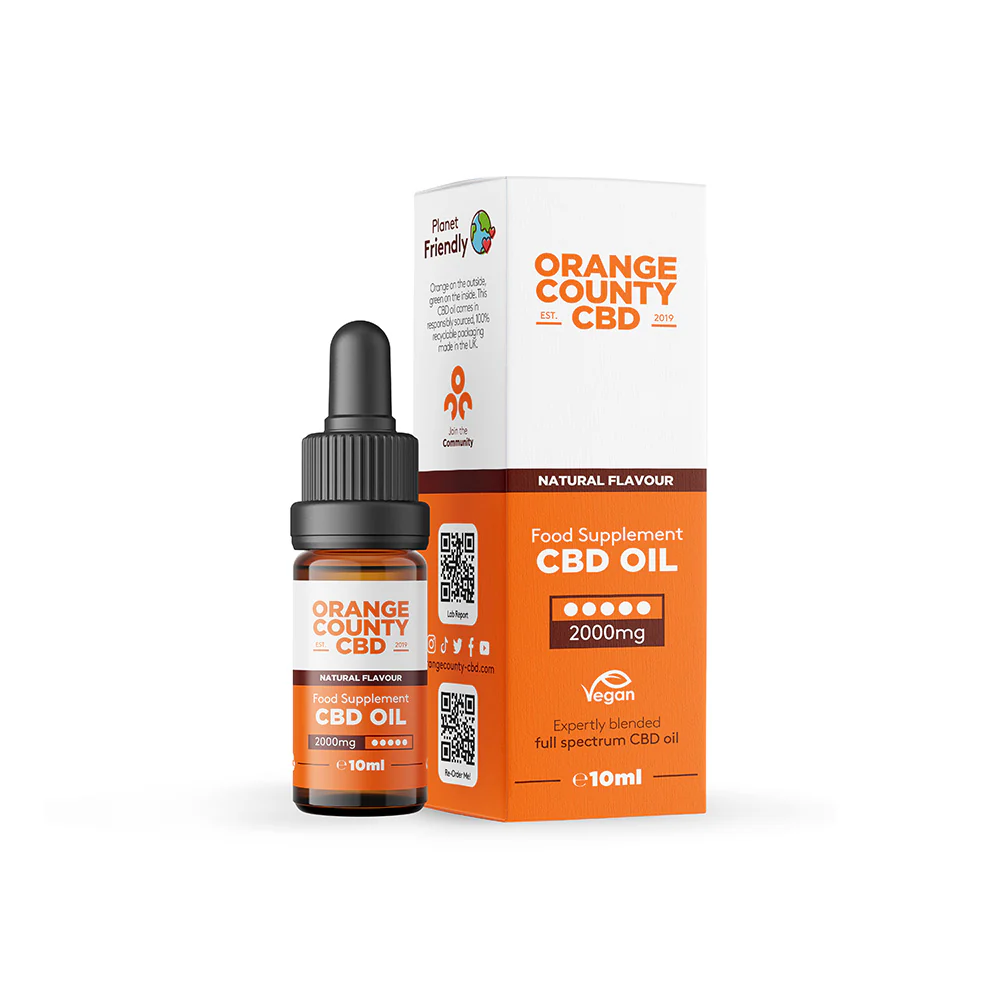
2Kmg Orange CBD Oil
Original price was: €80.00.€75.99Current price is: €75.99.
Buy 2Kmg Orange CBD Oil Online is a hemp-deriv CBD oil product identify by its moderate total CBD content and a citrus-inspire orange flavor profile
Buy 2Kmg Orange CBD Oil Online
Buy 2Kmg Orange CBD Oil Online is a hemp-deriv CBD oil product identify by its moderate total CBD content and a citrus-inspire orange flavor profile. As consumers explore CBD oil options online, many seek neutral and reliable information explaining milligram labeling, flavored formulations, ingredient transparency, and regulatory considerations—without exaggerate claims or implie results.
This page is design as an educational resource. It explains what a “2Kmg” CBD oil label represents, how orange-flavor CBD oils are typically formulate, how to read labels responsibly, storage considerations, sustainability awareness, and legal context. It does not promote usage, provide instructions, or suggest outcomes.
Understanding CBD as a Hemp-Derived Botanical Compound
CBD, short for cannabidiol, is a naturally occurring compound found in legally defined hemp varieties of the Cannabis sativa plant. In informational contexts, CBD is best understood as:
-
A non-intoxicating botanical compound
-
Extracted from hemp using regulate processes
-
Commonly formulate into oil-base products
-
Influenc by cultivation, extraction, and formulation quality
Viewing CBD as a plant-deriv ingredient helps set realistic expectations and encourages responsible evaluation.
What Is 2Kmg Orange CBD Oil?
2Kmg Orange CBD Oil is an oil-base formulation label to indicate a total of 2,000 milligrams of CBD within the container. The “orange” designation refers to the citrus flavor profile, while “2Kmg” identifies the overall CBD content.
Key informational characteristics include:
-
Hemp-deriv CBD formulation
-
Clearly stated milligram labeling
-
Oil-base liquid format
-
Citrus-inspire flavor identification
These features help position the product within the broader range of flavored CBD oils without implying suitability or outcomes.
What Does “2Kmg” Mean on a CBD Oil Label?
The “2Kmg” (2,000mg) figure represents the total amount of CBD in the entire bottle, not per serving or per drop. This value is a quantitative reference, not a recommendation or instruction.
Important labeling points include:
-
Milligram values describe total CBD content
-
They allow comparison between CBD oil products
-
They do not indicate strength, effectiveness, or results
Understanding milligram terminology is essential for accurate product evaluation.
Why CBD Oils Are Offered in Different Milligram Levels
CBD oils are produce in a range of milligram levels to provide clear differentiation and transparency within product categories. From an informational standpoint, different CBD content levels:
-
Help consumers compare products easily
-
Reflect formulation ratios and blending decisions
-
Support standardized labeling practices
A 2Kmg CBD oil is commonly consider a moderate-content option within many product ranges.
The Role of Orange Flavor in CBD Oils
Flavoring is commonly adding to CBD oils to enhance sensory characteristics and provide variety. Orange flavor profiles are widely use because they:
-
Offer a familiar citrus note
-
Complement plant-base carrier oils
-
Help distinguish products within a CBD oil lineup
Flavor descriptors are for identification purposes only and do not alter the core classification of the CBD oil.
How Orange Flavoring Is Typically Added
In flavor CBD oils, orange flavor components are generally introduce during the blending stage. Flavoring may be deriv from:
-
Natural citrus extracts
-
Food-grade botanical flavor compounds
-
Carefully balanced aromatic profiles
Flavor integration is done in control amounts to maintain consistency and labeling accuracy.
Carrier Oils and Their Importance in CBD Formulations
Carrier oils form the foundation of most CBD oil products. Their primary roles include:
-
Supporting even distribution of CBD
-
Providing a stable and consistent liquid format
-
Helping maintain shelf integrity
Carrier oils are usually plant-based and selected for neutrality, stability, and compatibility with both CBD and flavoring ingredients.
How 2Kmg Orange CBD Oil Is Typically Formulated
While production methods vary, flavored CBD oils generally follow a structured formulation process:
1. Hemp Cultivation and Sourcing
Hemp plants are cultivated under agricultural standards emphasizing traceability, quality, and regulatory compliance.
2. CBD Extraction
CBD is extracted from hemp using controlled methods designed to preserve compound integrity and consistency.
3. Blending and Concentration
Extracted CBD is blended with a carrier oil to achieve the intended total milligram content.
4. Flavor Integration
Orange or citrus flavor components are added to create a uniform flavored oil.
5. Bottling and Packaging
The finished product is packaged in sealed containers designed to protect it from light, air, and environmental exposure.
Each step supports consistency and transparent labeling.
Appearance and Consistency Expectations
From an informational standpoint, well-formulated Orange CBD Oil often displays:
-
A uniform appearance
-
Consistent viscosity
-
Possible natural color variation due to botanical ingredients
Minor variations are common in plant-based formulations and do not indicate quality differences.
Ingredient Transparency and Label Awareness
Ingredient transparency is a key consideration for flavored CBD oils. Informational labels typically include:
-
Hemp-derived CBD identification
-
The carrier oil used in the formulation
-
Flavoring or aromatic components
Clear ingredient lists help consumers review formulations carefully and compare similar products objectively.
Storage and Shelf Awareness
Proper storage helps maintain product integrity over time. General storage awareness includes:
-
Storing the oil in a cool, dry place
-
Avoiding prolonged exposure to direct sunlight or heat
-
Keeping the bottle tightly sealed when not in use
Appropriate storage supports consistency and clarity throughout the product’s shelf life.
Responsible Awareness When Exploring CBD Products
CBD products require informed and responsible awareness due to evolving regulations and common misconceptions. Important considerations include:
-
Understanding local laws governing CBD products
-
Recognizing that flavor descriptors do not imply outcomes
-
Treating CBD oils as regulated botanical products
Education supports realistic expectations and thoughtful evaluation.
Regulatory and Legal Context
CBD regulations vary widely by region and may address:
-
Hemp cultivation and sourcing standards
-
Permitted CBD concentration levels
-
Packaging, labeling, and distribution requirements
Consumers are responsible for confirming compliance with local regulations. Informational content does not imply legality or availability in all locations.
Sustainability and Ethical Sourcing
Sustainability is an increasingly important topic in the CBD industry. Ethical sourcing practices may include:
-
Environmentally responsible hemp farming
-
Efficient extraction and formulation methods
-
Transparent and traceable supply chains
Sustainable practices support environmental stewardship and long-term industry credibility.
Related products
Cannabis Tinctures online Europe

Cannabis Tinctures online Europe
Cannabis Tinctures online Europe

Cannabis Tinctures online Europe
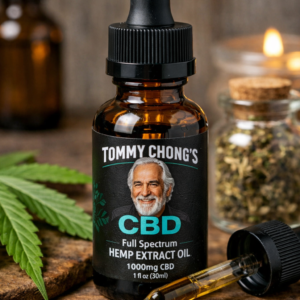
Cannabis Tinctures online Europe
Cannabis Tinctures online Europe
Cannabis Tinctures online Europe
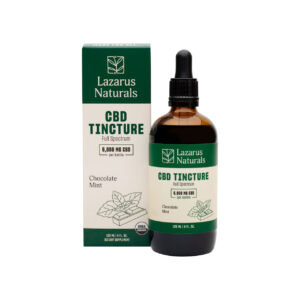
Cannabis Tinctures online Europe