

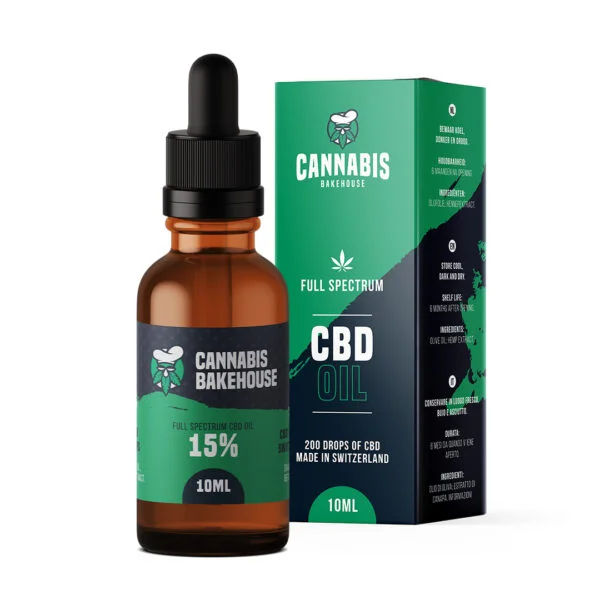
Cannabis Bakehouse Oil
Original price was: €180.00.€175.00Current price is: €175.00.
Buy Cannabis Bakehouse Oil 40% Online belongs to a category of high-strength CBD oil formulations that emphasize clear percentage.
Buy Cannabis Bakehouse Oil 40% Online
Buy Cannabis Bakehouse Oil 40% Online belongs to a category of high-strength CBD oil formulations that emphasize clear percentage labeling and contemporary branding. As interest in hemp-derived CBD continues to grow, many readers seek neutral, factual explanations that clarify what higher percentage labels mean, how CBD oils are formulated, and how to evaluate products responsibly—without relying on assumptions or implied outcomes.
This page serves as an educational resource. It explains CBD oil formats, the significance of a 40% label, Bakehouse branding language, ingredient transparency, storage considerations, sustainability, and regulatory context. It does not promote usage, provide instructions, or suggest outcomes of any kind.
Understanding CBD as a Hemp-Derived Botanical Compound
CBD, or cannabidiol, is a naturally occurring compound found in hemp varieties of Cannabis sativa. In educational contexts, CBD is best described as a plant-derived compound that can be incorporated into various product formats depending on regional regulations.
Key informational characteristics of CBD include:
-
Sourced from legally defined hemp plants
-
Non-intoxicating by nature
-
Commonly formulated in oil-based products
-
Highly dependent on sourcing and processing quality
Understanding CBD as a botanical ingredient helps readers approach products with clarity and realistic expectations.
What Is Cannabis Bakehouse Oil 40%?
Cannabis Bakehouse Oil 40% is an oil-based formulation containing hemp-derived CBD labeled at a 40% concentration. The percentage indicates the proportion of CBD relative to the total oil volume and is provided as a labeling reference, not guidance or recommendation.
CBD oils are widely recognized for:
-
Clear, standardized labeling
-
Consistent formulation formats
-
Compatibility with transparent packaging
The Bakehouse name reflects a modern, lifestyle-oriented brand identity rather than a description of production methods.
Interpreting the “40%” CBD Oil Label
CBD oil percentages are used to communicate formulation strength. A 40% label typically indicates a high-strength formulation within a product range.
Important points about percentage labels:
-
They are informational descriptors only
-
They support comparison across products
-
They do not imply suitability or outcomes
Readers should interpret percentage labels as factual references rather than instructions.
Overview of the Bakehouse Brand
Bakehouse is associated with contemporary CBD product presentation and straightforward labeling conventions. The brand identity emphasizes clarity, consistency, and recognizable design.
Common Bakehouse brand characteristics may include:
-
Minimalist, modern packaging
-
Clear product naming
-
Emphasis on formulation transparency
-
Alignment with evolving CBD market expectations
Understanding brand positioning helps readers evaluate products objectively.
How High-Strength CBD Oils Are Typically Formulated
CBD oil products generally follow a structured preparation process designed to ensure consistency and clarity.
1. Hemp Cultivation and Selection
Hemp plants are cultivated under regulated agricultural standards. Quality-focused sourcing prioritizes traceability and compliance.
2. CBD Extraction
CBD is extracted from hemp using controlled methods intended to isolate cannabidiol while maintaining compound integrity.
3. Concentration and Blending
For higher-strength oils, extracted CBD is carefully blended with a carrier oil to achieve the labeled concentration while maintaining uniform texture.
4. Bottling and Packaging
The finished oil is packaged in sealed containers designed to protect it from light, air, and environmental exposure.
Each stage emphasizes transparency, cleanliness, and repeatability.
Ingredient Transparency and Label Awareness
Ingredient transparency is essential when evaluating CBD oil products, particularly higher-strength formulations. Clear labeling typically identifies:
-
Hemp-derived CBD content
-
The carrier oil used
-
Any additional botanical ingredients
Careful label review supports informed comparison and responsible awareness.
The Role of Carrier Oils in CBD Formulations
Carrier oils are a foundational component of CBD oil products. Their functions include:
-
Creating a uniform liquid consistency
-
Supporting shelf stability
-
Allowing accurate concentration labeling
Carrier oils are commonly plant-deriv and select for their neutral profile and compatibility with CBD.
Storage and Shelf Stability Considerations
Proper storage supports the quality and consistency of CBD oil products over time. General storage awareness includes:
-
Keeping oils in a cool, dry environment
-
Avoiding prolonged exposure to sunlight or heat
-
Ensuring containers are tightly sealed when not in use
Responsible storage helps preserve product integrity and clarity.
Evaluating Quality in High-Strength CBD Oils
When reviewing higher-strength CBD oils, readers often consider quality indicators such as:
-
Clear, uniform oil appearance
-
Consistent color and viscosity
-
Transparent sourcing and formulation details
-
Clear batch or labeling information
These characteristics help distinguish responsibly prepare oils from inconsistent alternatives.
Responsible Awareness When Exploring CBD Products
CBD products require thoughtful and informed awareness due to differing regulations and widespread misconceptions. Important considerations include:
-
Understanding local legal frameworks
-
Recognizing that branding language does not imply outcomes
-
Treating CBD oils as regulate botanical products
Education supports responsible engagement and realistic expectations.
Legal and Regulatory Context
Regulations governing CBD products vary widely by country and region. Depending on the jurisdiction, rules may address:
-
Hemp cultivation standards
-
Permitted CBD concentrations
-
Packaging, labeling, and distribution requirements
Consumers are responsible for understanding and complying with applicable local laws before purchasing or handling CBD products. Informational content does not imply legality or availability in all locations.
Sustainability and Ethical Sourcing
Sustainability is an increasingly important consideration in the CBD industry. Ethical sourcing practices may emphasize:
-
Environmentally responsible hemp cultivation
-
Efficient extraction and processing methods
-
Transparent, traceable supply chains
Sustainable approaches support environmental responsibility and long-term industry credibility.
Education as a Cornerstone of the CBD Market
Education plays a critical role in helping readers:
-
Understand CBD oil strengths and formats
-
Interpret labeling and branding accurately
-
Evaluate products without relying on claims
Well-inform consumers contribute to a more transparent and credible CBD marketplace.
Transparency and Trust in the CBD Space
Transparency remains a core trust signal in the CBD industry. Clear explanations of:
-
Product formulation
-
Ingredient sourcing
-
Storage and handling considerations
help establish credibility and encourage responsible engagement.
Setting Clear and Realistic Expectations
CBD oil products should always be approach with realistic expectations. Informational content exists to explain product categories and labeling—not to suggest outcomes or replace professional guidance.
Clear expectations promote thoughtful evaluation and inform decision-making.
Conclusion
Cannabis Bakehouse Oil 40% represents a high-strength CBD oil category defined by hemp-deriv formulation, clear percentage labeling, and contemporary branding. By understanding what a 40% CBD oil label signifies, how such products are formula, and how to interpret branding responsibly, readers can engage with this category in a balance and inform way.
For educational resources, product information, and updates relate to CBD oil formats, visit https://eucannabishub.com/.
For general, non-sales inquiries, contact Info@eucannabishub.com.
Related products
Cannabis Tinctures online Europe

Cannabis Tinctures online Europe
Cannabis Tinctures online Europe
Cannabis Tinctures online Europe
Cannabis Tinctures online Europe
Cannabis Tinctures online Europe

Cannabis Tinctures online Europe
Cannabis Tinctures online Europe