

Buy Bakehouse CBD Oil 30% Online
Original price was: €135.00.€130.00Current price is: €130.00.
Buy Bakehouse CBD Oil 30% Online is part of a clearly labelled range of hemp-derived CBD oil formulations designed for consumers seeking
Buy Bakehouse CBD Oil 30% Online
Buy Bakehouse CBD Oil 30% Online is part of a clearly labelled range of hemp-derived CBD oil formulations designed for consumers seeking transparent strength information and consistent product presentation. As CBD products continue to gain attention worldwide, many people search for neutral, well-structured information that explains what CBD oil percentages mean, how these oils are produced, and how to evaluate them responsibly—without relying on assumptions or exaggerated claims.
This page is intended as an educational resource. It explains CBD oil formats, the significance of a 30% concentration label, Bakehouse branding language, ingredient transparency, storage considerations, sustainability awareness, and regulatory context. It does not promote use, provide instructions, or suggest outcomes of any kind.
Understanding CBD as a Hemp-Derived Botanical Compound
CBD, short for cannabidiol, is a naturally occurring compound found in hemp varieties of the Cannabis sativa plant. In informational contexts, CBD is best understood as a plant-derived botanical compound that can be incorporated into oils and other formats depending on local regulations.
Key informational characteristics of CBD include:
-
Derived from legally defined hemp plants
-
Non-intoxicating by nature
-
Commonly formulated into oil-based products
-
Strongly influenced by sourcing and processing quality
Understanding CBD as a botanical ingredient helps readers approach CBD oils with clarity and realistic expectations.
What Is Bakehouse CBD Oil 30%?
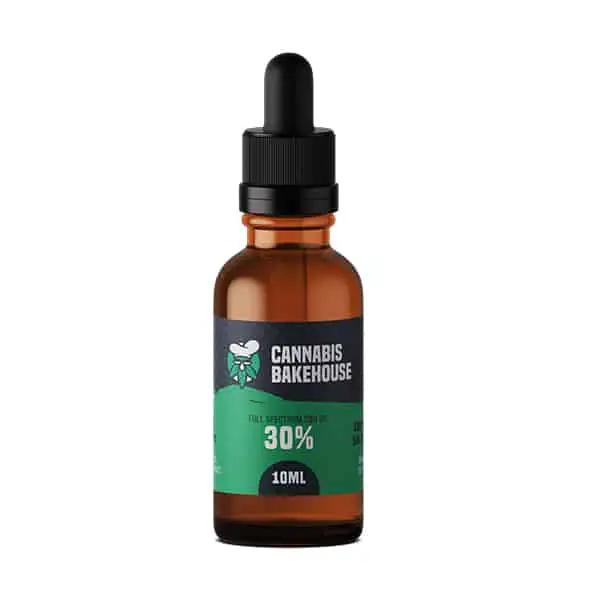
Bakehouse CBD Oil 30% is an oil-based formulation containing hemp-deriv CBD labeled at a 30% concentration. This percentage indicates the proportion of CBD relative to the total oil volume and is intended as a labeling reference, not a recommendation or instruction.
CBD oil products are widely recognized for:
-
Clear and standardized labeling
-
Consistent formulation formats
-
Compatibility with transparent packaging
The Bakehouse name reflects a contemporary brand identity rather than a literal description of manufacturing methods.
Understanding the “30%” CBD Oil Label
CBD oil percentage labels are use to communicate formulation strength. A 30% CBD oil is generally position within the higher-strength range of CBD oil products.
Important points to understand about percentage labels:
-
They are informational descriptors only
-
They allow comparison across similar products
-
They do not imply suitability, effectiveness, or outcomes
Consumers should interpret percentage figures as factual information rather than guidance.
Overview of the Bakehouse Brand
Bakehouse is a brand associate with modern CBD product design and straightforward naming conventions. Its identity emphasizes clarity, consistency, and accessibility rather than technical complexity.
Common Bakehouse brand characteristics may include:
-
Clean, modern packaging design
-
Clearly defined product names
-
Emphasis on formulation transparency
-
Alignment with evolving CBD market standards
Understanding brand positioning helps readers evaluate products objectively and responsibly.
How Bakehouse CBD Oil 30% Is Typically Formulated
CBD oil products generally follow a structure formulation process design to ensure consistency and clarity.
1. Hemp Cultivation and Selection
Hemp plants are cultivated according to defined agricultural standards. Responsible sourcing prioritizes traceability, quality, and regulatory compliance.
2. CBD Extraction
CBD is extracted from hemp using controlled extraction methods designed to isolate cannabidiol while maintaining compound integrity.
3. Concentration and Blending
For higher-strength oils such as 30%, extracted CBD is carefully blended with a carrier oil to achieve uniform concentration and consistency.
4. Bottling and Packaging
The finish oil is seal in containers designed to protect it from light, air, and environmental exposure.
Each step emphasizes cleanliness, transparency, and repeatability.
Ingredient Transparency and Label Awareness
Ingredient transparency is an essential part of responsible CBD oil evaluation. Clear labeling typically identifies:
-
Hemp-deriv CBD content
-
The type of carrier oil use
-
Any additional botanical ingredients
Reviewing ingredient labels carefully helps consumers make inform comparisons between products.
The Role of Carrier Oils in CBD Formulations
Carrier oils are a foundational element of CBD oil products. Their key functions include:
-
Creating a uniform liquid texture
-
Supporting shelf stability
-
Allowing accurate concentration labeling
Carrier oils are usually plant-base and select for their neutral characteristics and compatibility with CBD.
Storage and Shelf Stability Considerations
Proper storage supports the quality and consistency of CBD oil products over time. General storage awareness includes:
-
Storing oils in a cool, dry location
-
Avoiding prolong exposure to direct sunlight or heat
-
Keeping containers tightly sealed when not in use
Responsible storage helps preserve product integrity and clarity.
Evaluating Quality in Higher-Strength CBD Oils
When reviewing higher-strength CBD oils such as 30% formulations, common quality indicators may include:
-
Clear and uniform oil appearance
-
Consistent color and viscosity
-
Transparent sourcing and formulation descriptions
-
Clear labeling and batch consistency
These factors help distinguish responsibly produce CBD oils from inconsistent alternatives.
Responsible Awareness When Exploring CBD Products
CBD products require thoughtful awareness due to varying regulations and widespread misconceptions. Important considerations include:
-
Understanding local laws and classifications
-
Recognizing that branding language does not imply outcomes
-
Treating CBD oils as regulated botanical products
Education plays a key role in responsible engagement with the CBD category.
Legal and Regulatory Context
CBD regulations differ significantly across countries and regions. Depending on jurisdiction, rules may govern:
-
Hemp cultivation standards
-
Permitted CBD concentration levels
-
Packaging, labeling, and distribution requirements
Consumers are responsible for ensuring compliance with local regulations before purchasing or handling CBD products. Informational content does not imply legality or availability in all regions.
Sustainability and Ethical Sourcing
Sustainability is an increasingly important consideration within the CBD industry. Ethical sourcing practices may emphasize:
-
Environmentally responsible hemp farming
-
Efficient extraction and processing methods
-
Transparent and traceable supply chains
Sustainable practices contribute to environmental responsibility and long-term industry credibility.
Education as a Foundation of the CBD Market
Education helps consumers:
-
Understand CBD oil strengths and labeling
-
Interpret branding and product descriptions accurately
-
Evaluate products without relying on claims
Well-inform consumers support a healthier, more transparent CBD marketplace.
Transparency and Consumer Trust
Transparency remains a key trust factor in the CBD industry. Clear explanations of:
-
Product formulation
-
Ingredient sourcing
-
Storage and handling considerations
help establish credibility and encourage responsible consumer engagement.
Setting Realistic Expectations
CBD oil products should always be approach with realistic expectations. Informational content exists to explain product categories and labeling—not to suggest outcomes or replace professional advice.
Clear expectations promote thoughtful evaluation and inform decision-making.
Conclusion
Bakehouse CBD Oil 30% represents a higher-strength CBD oil category define by hemp-deriv formulation, clear percentage labeling, and modern brand presentation. By understanding what a 30% CBD oil label represents, how such oils are formula, and how to interpret branding responsibly, readers can engage with this category in a balanc and informed way.
For educational resources, product information, and updates related to CBD oil formats, visit https://eucannabishub.com/.
For general, non-sales inquiries, contact Info@eucannabishub.com.
Related products
Cannabis Tinctures online Europe
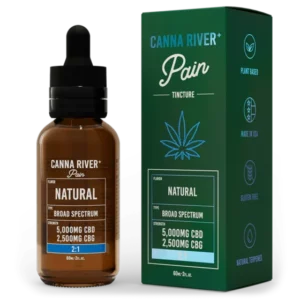
Cannabis Tinctures online Europe
Cannabis Tinctures online Europe
Cannabis Tinctures online Europe
Cannabis Tinctures online Europe
Cannabis Tinctures online Europe

Cannabis Tinctures online Europe
Cannabis Tinctures online Europe