

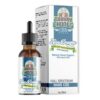

Buy Organic Tail Tincture Online
Original price was: €35.00.€31.99Current price is: €31.99.
Buy Organic Tail Tincture Online has been used for centuries as a natural way to preserve and utilize plant compounds. Today,
Buy Organic Tail Tincture Online
Buy Organic Tail Tincture Online has been used for centuries as a natural way to preserve and utilize plant compounds. Today, they are valued for their purity, potency, and ease of use. As interest in organic and plant-based wellness grows, tinctures made from carefully sourced botanicals have become a preferred choice for individuals seeking clean, transparent, and responsibly produced herbal products.
This guide explores what organic tinctures are, how they are made, their traditional uses, and how to identify high-quality products—helping consumers make informed decisions while staying mindful of safety and regulations.
What Is an Organic Tincture?
An organic tincture is a liquid botanical extract created by soaking plant material in a solvent—commonly alcohol, glycerin, or vinegar—to draw out beneficial compounds. When labeled organic, it indicates that the plants used were grown without synthetic pesticides, herbicides, or genetically modified organisms (GMOs), following certified organic farming practices.
Tinctures are valued for:
-
Long shelf life
-
Concentrated plant compounds
-
Easy absorption
-
Precise, flexible usage
Traditional Use of Herbal Tinctures
Historically, tinctures have been a cornerstone of traditional herbal practices across Europe and Asia. Herbalists relied on tinctures to preserve seasonal plants and maintain their usefulness year-round. Many cultures favored tinctures because liquid extracts allowed for quicker absorption compared to dried herbs or teas.
While modern consumers often associate tinctures with wellness routines, it’s important to understand that traditional use does not replace professional medical advice.
How Organic Tinctures Are Made
1. Plant Selection
High-quality tinctures begin with organically grown plants harvest at peak maturity. The timing of harvest significantly impacts the strength and consistency of the extract.
2. Extraction Process
The plant material is soaked in a solvent that extracts natural compounds over several weeks. Alcohol is the most common solvent due to its effectiveness and stability, though alcohol-free options exist.
3. Filtration and Bottling
After extraction, the liquid is filter and bottled in dark glass containers to protect it from light and oxidation.
This slow, careful process helps preserve the integrity of the plant compounds.
Why Organic Sourcing Matters
Organic sourcing plays a crucial role in tincture quality. Plants absorb elements from their growing environment, meaning soil health directly impacts the final product. Organic cultivation emphasizes:
-
No synthetic chemicals
-
Sustainable farming methods
-
Soil regeneration
-
Environmental responsibility
These practices result in cleaner extracts and support long-term ecological balance.
Types of Organic Tinctures
Organic tinctures can be categorise based on plant type and intend traditional use:
-
Single-herb tinctures – Focused extracts from one botanical
-
Blended tinctures – Multiple herbs combined based on traditional formulations
-
Alcohol-based tinctures – Highly stable and concentrated
-
Glycerin-based tinctures – Alcohol-free alternatives
Each type serves different preferences and lifestyle needs.
How Tinctures Are Commonly Use
This method allows for flexible measurement and quick absorption.
General considerations include:
-
Start with small amounts
-
Follow product guidance
-
Be consistent
-
Store properly
Always consult a qualified professional before adding new herbal products to your routine.
Storage and Shelf Life
Proper storage ensures tinctures remain effective:
-
Keep in a cool, dark place
-
Avoid direct sunlight
-
Seal bottles tightly
When stored correctly, organic tinctures can last several years without losing quality.
Understanding Quality and Transparency
When evaluating an organic tincture, look for transparency in sourcing and production. Reputable producers provide information on:
-
Plant origin
-
Extraction method
-
Ingredient lists
-
Batch consistency
Third-party testing and clear labeling further enhance consumer trust.
Regulatory and Legal Considerations
Herbal tinctures are subject to varying regulations depending on country and region. In the European Union, products must meet labeling, safety, and ingredient compliance standards. Consumers should always review local laws and product information before use.
Educational content about tinctures does not imply medical claims or therapeutic guarantees.
Sustainability and Ethical Practices
Sustainability is a growing concern in herbal production. Ethical producers focus on:
-
Responsible harvesting
-
Fair labor practices
-
Eco-friendly packaging
-
Minimal environmental impact
These principles support both product integrity and environmental stewardship.
The Growing Interest in Organic Botanical Products
Modern consumers are increasingly inform and selective. The demand for organic tinctures reflects broader trends toward natural ingredients, transparency, and sustainable sourcing. Educational resources play an essential role in helping individuals understand what goes into the products they choose.
Conclusion
Organic tinctures represent a time-honored method of working with botanicals in a modern, thoughtful way. By understanding how tinctures are make, why organic sourcing matters, and how to identify quality products, consumers can approach herbal extracts with confidence and clarity.
For educational resources, sourcing transparency, and updates related to organic botanical products, visit https://eucannabishub.com/ or contact Info@eucannabishub.com for general inquiries.
Related products
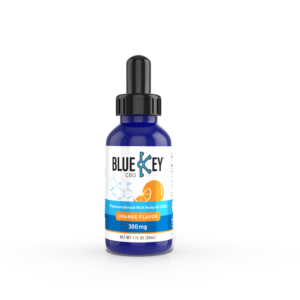
Cannabis Tinctures online Europe

Cannabis Tinctures online Europe
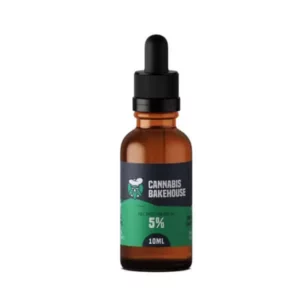
Cannabis Tinctures online Europe

Cannabis Tinctures online Europe
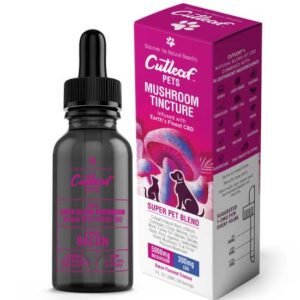
Cannabis Tinctures online Europe
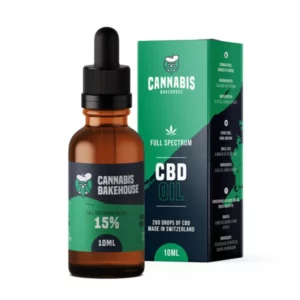
Cannabis Tinctures online Europe

Cannabis Tinctures online Europe
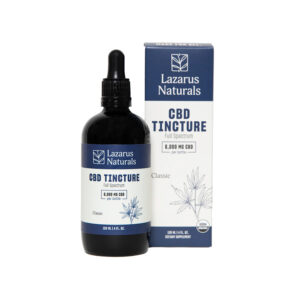
Cannabis Tinctures online Europe